
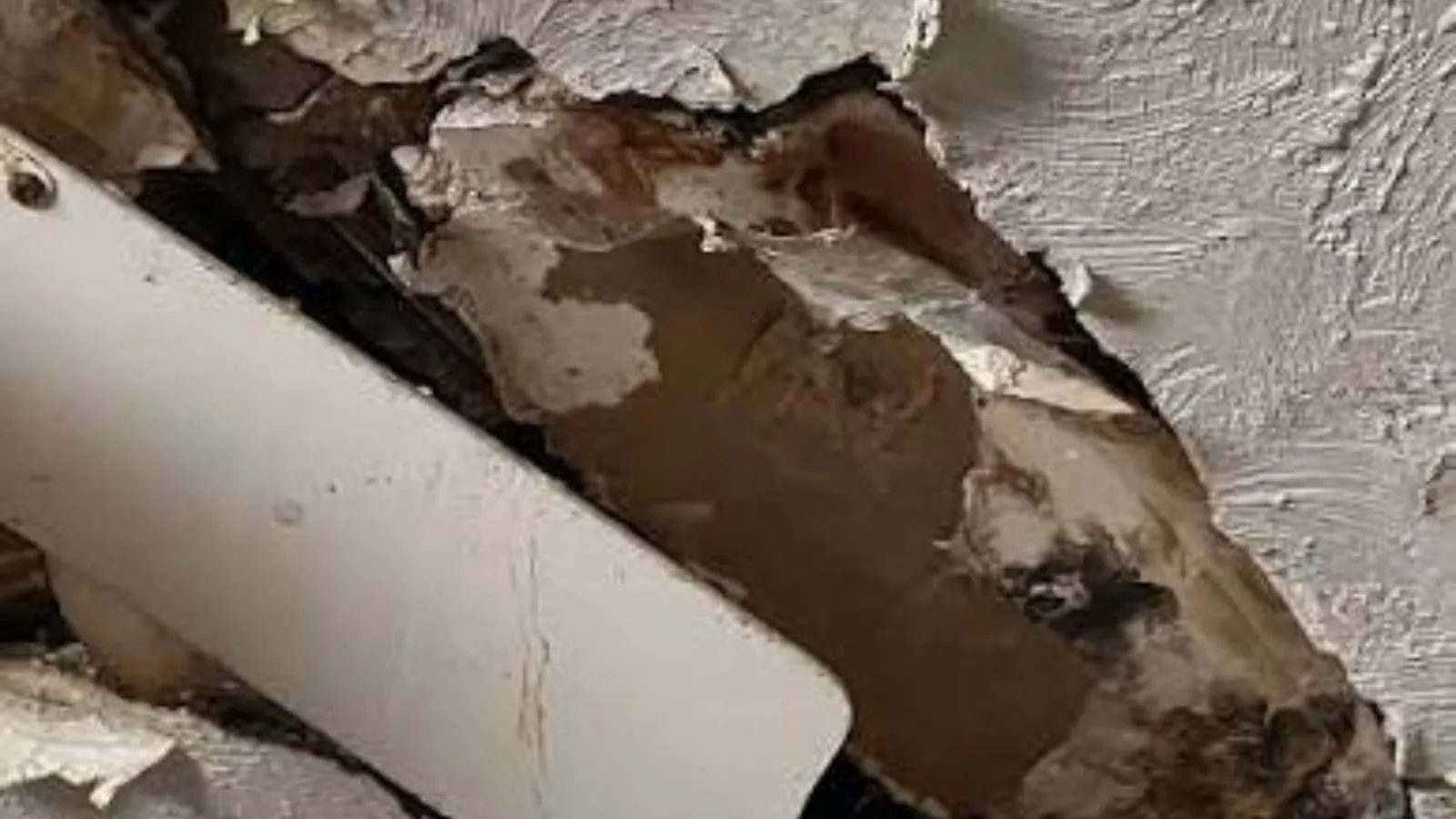
Three words, one job
After a leak you will hear mitigation, remediation and restoration, often as if they meant the same thing. They describe different stages of the same project. Knowing which is which helps you read an estimate, talk to your insurer and notice when something is missing.
| Term | Plain meaning | Typical work | When |
|---|---|---|---|
| Mitigation | Stop the damage getting worse | Shut off source, extract water, dry the structure | Days 1 to 7 |
| Remediation | Remove something harmful | Take out contaminated or moldy materials, clean, contain | Overlaps with mitigation |
| Restoration | Put the building back | Drywall, flooring, cabinets, paint | After drying, often weeks |
Mitigation
Mitigation is urgent. It begins with stopping the water and ends when the building is dry. Extraction, air movers, dehumidifiers and daily moisture readings all belong here. Nothing is being rebuilt yet. The goal is simply that no further damage occurs.
Insurance policies generally expect the owner to mitigate, meaning to take reasonable steps to prevent more damage. That is why emergency drying usually starts before an adjuster visits. The physical first step is described on our water extraction page.
Remediation
To remediate is to remedy a hazard. In this trade the word is used for two things.
One is contaminated water. Sewage and flood water require removal of the porous materials they touched and cleaning of what remains. The other is mold. Mold remediation means containing the area, removing moldy material and cleaning, under the ANSI/IICRC S520 standard.
A clean-water leak that is dried promptly may involve no remediation at all. A basement that flooded with storm water involves a lot. Our mold remediation page covers the mold side.
Restoration
Restoration is reconstruction: new drywall, trim, flooring, cabinets and paint, returning the building to its condition before the loss. It is slower and less urgent, and it looks like ordinary remodeling.
"Water damage restoration" is also used as the name for the whole trade, covering all three stages. That double meaning is the source of most confusion. When a company says it does restoration, ask whether that includes the rebuild.
Why the distinction matters to you
On the estimate. Mitigation and repairs are usually priced separately, sometimes by different companies. If you only have a mitigation estimate, the rebuild cost is still to come.
With your insurer. Adjusters typically handle the emergency mitigation invoice and the repair estimate as separate items, with different review steps.
For scheduling. Mitigation cannot wait. Restoration can be planned, and you can get more than one quote for it.
For licensing and permits. Drying needs no permit. Reconstruction is home improvement work, and that brings licensing and sometimes permits into play.
A worked example
A dishwasher supply line fails overnight in a townhouse kitchen.
- Mitigation: water is extracted from the kitchen and the dining room. Toe kicks come off and the cabinet bases are dried with ducted air. Dehumidifiers run for four days with daily readings.
- Remediation: none is needed if the water was clean and it is caught on the day it happens. If it had gone unnoticed for two weeks and mold grew behind the cabinets, containment and removal would be added.
- Restoration: the swollen laminate floor is replaced, two cabinet toe kicks are refitted and the baseboards are replaced and painted.
Three stages, three sections on the paperwork.
Related terms you may see
- Abatement usually refers to asbestos or lead, not water or mold
- Structural drying is the equipment phase of mitigation, explained on our structural drying page
- Pack-out means removing contents from the home for cleaning and storage
- Flood cut is drywall removed in a level line above the wet area
- Dry standard is the moisture reading of unaffected material, used as the target
How this plays out under Maryland and Gaithersburg rules
Licensing. Reconstruction falls under the state's Home Improvement Commission, which licenses the contractors who do it. The restoration stage, replacing drywall, flooring and cabinets, is home improvement work. Ask for the MHIC number of whoever does your rebuild.
Mold. There is no state mold license to look up. The commission's own FAQ says the mold licensing provisions ended in 2019. The general MHIC requirement still applies to the reconstruction that follows.
Permits. City permits attach to the rebuild, for example when a basement is finished again or a bath or kitchen is remodeled. Mitigation does not trigger that. A restoration stage that goes beyond like-for-like repair might, so ask the city.
Water category. Parts of Gaithersburg take street runoff in heavy storms, a problem the city documented in 2024. Runoff entering a home is contaminated water, which moves a job from simple mitigation into remediation.
One company or several?
Either works. A single company handling all three stages means one schedule and one point of contact. Separate companies can make sense if you already have a contractor you trust for the rebuild. If you split the work, ask the mitigation company for its moisture readings and drying log, so the builder knows the structure is dry before closing walls.
We serve Gaithersburg and nearby towns including Clarksburg and Derwood.
Questions
Do I need a permit to repair water damage in Gaithersburg, MD?
Drying does not need one. Rebuild work may, depending on its extent. Ask the City of Gaithersburg's permitting office.
Is remediation always required after a leak?
No. Clean water dried promptly usually needs mitigation and repair only.
Why are there two separate estimates?
Because mitigation and reconstruction are different stages, often reviewed separately by insurers.
Which stage is the most urgent?
Mitigation. The first day or two decides how much remediation and restoration will be needed.