
The floor feels dry. Is the leak really over?
Usually not. Surfaces dry in a day while the materials underneath stay wet for weeks. Wall cavities, subfloor and the wood behind your baseboards hold water long after the carpet feels fine. That hidden moisture is what causes musty smells, cupped floors and mold a month later.
Structural drying and dehumidification is the process of removing that hidden water with equipment and proving the result with measurements. In Gaithersburg, MD it follows nearly every water loss, large or small.
Water mitigation, in plain terms
Water mitigation means stopping water damage from getting worse. It has two parts. The first is removing standing water. The second is this page: drying the structure. Repair comes afterward and is a separate phase.
Crews follow ANSI/IICRC S500, the published standard for water damage restoration. You can ask any company whether its technicians work to it.
Moisture mapping comes first
Before any equipment is placed, a technician maps the wet area.
- A pin meter reads moisture content inside wood and drywall
- A pinless meter scans larger surfaces without leaving holes
- A thermal imaging camera shows cool, damp areas behind paint
- A hygrometer records air temperature and humidity in each room
The readings are compared with a dry area of the same house, which sets the target. The map decides how many machines are needed and where. Guessing leads to too little equipment or to paying for machines that do nothing.
What each machine does
| Equipment | Job | Why it matters |
|---|---|---|
| Air mover | Pushes fast air across wet surfaces | Evaporation happens at the surface, and moving air speeds it up |
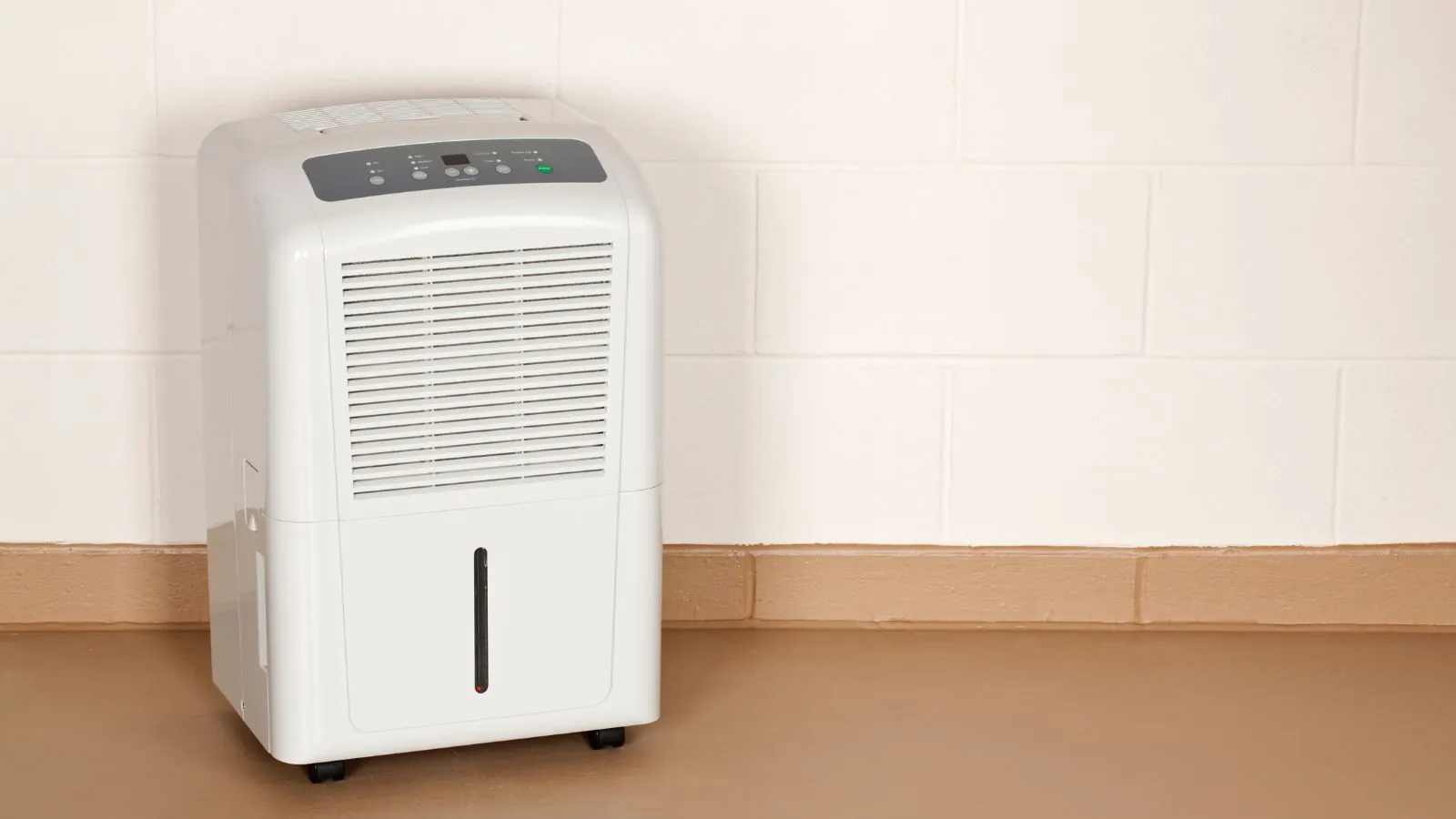
| LGR dehumidifier | Pulls water vapor out of the air | Without it, evaporated water just soaks into other materials |
| Air scrubber | Filters the air through HEPA media | Used when dust, mold or contaminated water is involved |
| Floor drying mats | Draw moisture up through hardwood | Can save a floor that would otherwise be torn out |
| Cavity drying system | Sends dry air into walls or under cabinets | Dries hidden spaces without full demolition |
LGR stands for low grain refrigerant. These units keep working at humidity levels where an ordinary household dehumidifier stalls.
How long drying takes
Most clean-water jobs in a wood-framed house dry in three to five days. Concrete, plaster, hardwood and double-layered walls take longer. Category 2 or 3 water changes the plan, since some materials are removed first.
A technician returns each day, takes readings at the same points and adjusts the equipment. The job ends when the numbers match the dry standard, not on a fixed day. You should be able to see the drying log.
Living with the equipment
The machines are loud and they run around the clock. Turning them off at night adds days to the job. They draw real power, so a technician spreads them across circuits. Rooms get warm and the air gets dry, which is the point. Keep windows closed unless you are told otherwise.
Gaithersburg conditions that affect drying
Summer air in central Maryland is humid, so opening windows in July usually slows drying instead of helping. Closed-up drying with dehumidifiers is the reliable method.
Basements are the other local factor. Concrete below grade releases moisture slowly and often needs extra time, as explained on our basement water damage page. Finished basements with carpet over slab are a frequent source of calls.
Can equipment be rented from you?
No. Callers ask this often. The machines are used on jobs with a technician monitoring them, and we do not rent them out. Rental units from a hardware store can help with a small clean spill on a hard floor. They do not replace meters, and without readings you cannot know when a wall is dry.
What gets removed versus dried
Drying in place is the goal when materials allow it. Removal is the right call for soaked carpet pad, wet insulation, swollen particleboard and drywall that has lost its strength. Specific materials are covered on the wall and drywall and carpet pages.
Cost factors
- Size of the wet area found by mapping
- Number of machines and days required
- Materials involved, from drywall to hardwood to concrete
- Water category
- Whether cavity or floor drying systems are needed
How do I know when my walls are dry?
A meter reading that matches an unaffected wall in the same house. Touch and smell are not reliable.
Why does my floor still feel damp days after a leak?
Subfloor and pad release moisture slowly, and without dehumidification that moisture stays in the room. It is the most common reason people call us a week after a leak.
Will drying prevent mold?
Prompt drying removes the moisture mold needs, which is the main prevention. Nobody can promise mold will never appear. If you see growth, read about mold remediation.
Do you provide structural drying in Clarksburg and Germantown?
Yes. We serve Clarksburg, Germantown, Derwood, Boyds and Damascus in addition to Gaithersburg.